

we know more. we understand less. how we confuse exposure with knowledge

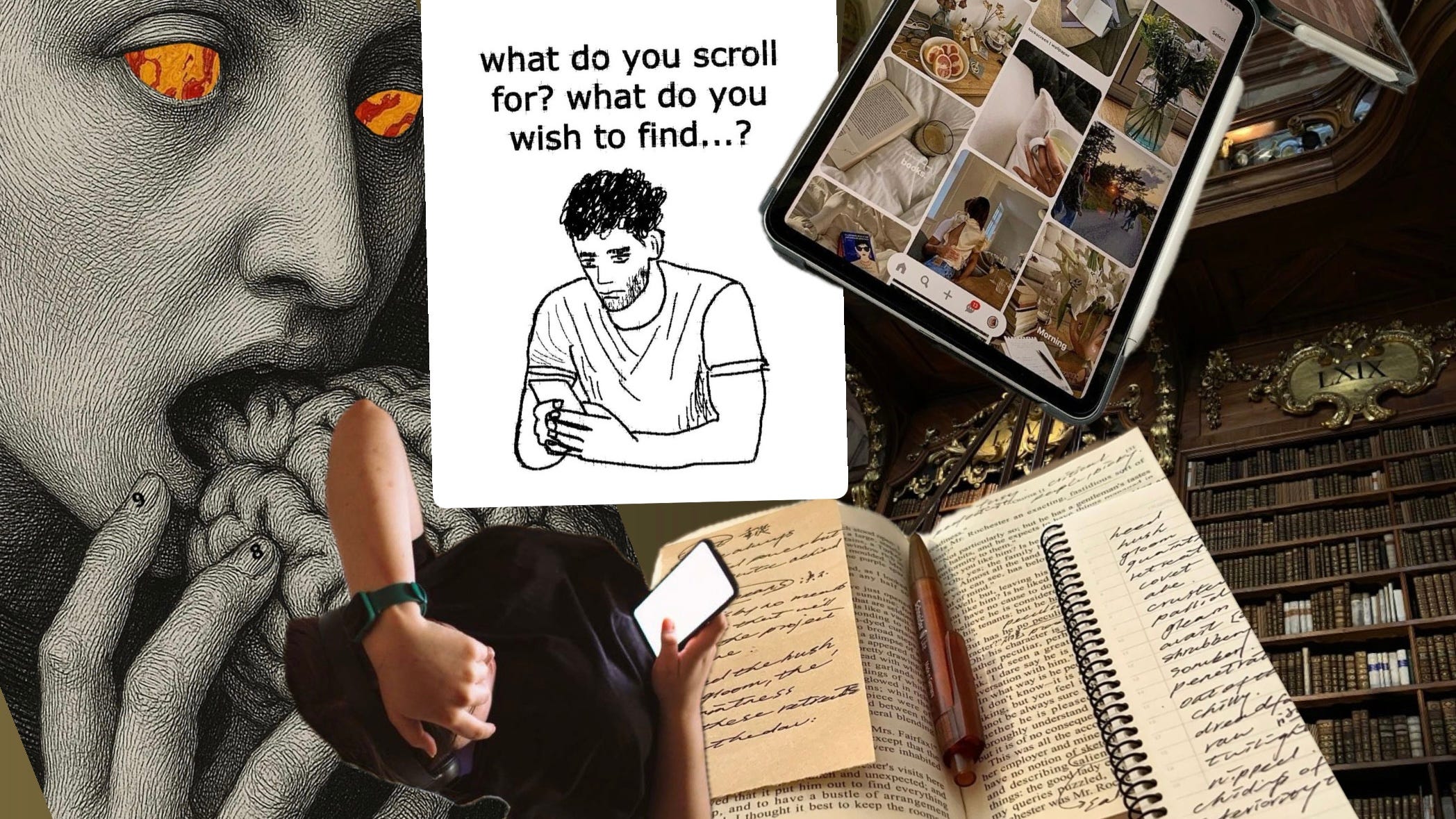
Performative knowledge is when we learn something and can repeat it. It’s essentially memory. We might even know professional terminology in a given field, but that doesn’t mean we understand it deeply. We know the facts and can reproduce them. This type of knowledge isn’t bad — it’s often necessary.
But there is also reconstructive knowledge, which is deeper and reflects genuine understanding.
Reconstructive knowledge means being able to mentally and intellectually reconstruct the path to a conclusion. It’s when you can break a topic down yourself, build arguments, and respond to objections — not just repeat what you memorized. The problem arises when we confuse the first with the second. Because learning is not only about memory — it requires deep processing.
The problem is made worse by the way most information is presented today. What we consume is rarely layered or complex. It’s packaged as bullet points, summaries, structured takeaways, neatly outlined facts. Efficient, clear, easy to digest.
But that format doesn’t create depth. It doesn’t leave space for ambiguity, for tension, for open questions.
And let’s be honest — we often don’t have the time, the patience, or the attention span to read fifty pages of sustained argument or reflection. We prefer concise facts, short summaries, clean structure. And in that process, the topic often loses its depth. It loses its nuance. It loses competing perspectives and uncomfortable arguments.
And this is where it becomes personal for me. I often think about how much information I consume. I’ll decide I want to study one topic more deeply, then another topic catches my attention and the first one fades away. Instead of stopping and going deeper into something that genuinely interests me, my attention shifts again. Even when I consciously dedicate time to learning, I still end up skimming multiple topics, collecting fragments, and moving on.
I hope this text makes you reflect on how you consume information and how you process it. I’m definitely reflecting on it myself right now.
And in the end, I want to offer a simple recommendation that helps me test my own level of understanding. Try writing 5–10 clear, structured sentences on a topic you want to evaluate yourself in — a short mini-essay where you formulate your thoughts in full sentences. The gaps tend to reveal themselves when you try to put ideas into words. You may realize you know less — or more — than you assumed.
Most of these texts are written under the influence of caffeine.
If you’d like to support the next one — you can do it here.
overconsumption of media is something i’m actively trying to work on and as i’ve gotten older it’s only gotten harder with all these new types of short-form content and algorithims being spread. I’m big on trying to balance my creation vs consumption ratio, and was inspired to write more mini essays bc of a youtuber odysseas (rec him)! love this topic!
This is so real!!